Considering a change to your nose can be a significant decision, as it is a central feature of your face. For some, it’s about achieving balance, while for others, it’s about improving their breathing. Choosing to alter your nose is a serious matter, and the consultation is where the process truly begins.
If you’re thinking about rhinoplasty in Charlotte, NC, you may find yourself researching surgeons and pondering what your initial consultation will entail.

If this is your first meeting with a plastic surgeon, you might be curious about what happens during that appointment. Will it feel awkward? Will it be purely medical jargon? Will you need to make decisions right away?
Here are five things you can expect during a rhinoplasty consultation to help you feel prepared and informed.
1. A Genuine Discussion About Your Goals
The consultation usually begins with a simple question: What brings you here?
You’ll be invited to share what you like and dislike about your nose. Some may express concerns about a bump on the bridge, while others might mention a drooping tip or wider nostrils. Some may simply feel, “It never felt like me.” Every detail matters.
When exploring options like rhinoplasty in Charlotte, NC, you may notice that established practices prioritize understanding your goals over merely taking measurements. Clinics such as PPSD emphasize that the consultation is critical in aligning the expectations of both the patient and the surgeon. You will likely look at before-and-after photos together and discuss what is realistically achievable for your facial structure. They will also inquire about your age, medical history, and any previous surgeries to ensure you are a suitable candidate.
The most productive consultations resemble thoughtful discussions rather than sales pitches. You should feel acknowledged and understood.
2. A Detailed Examination of Your Facial Structure
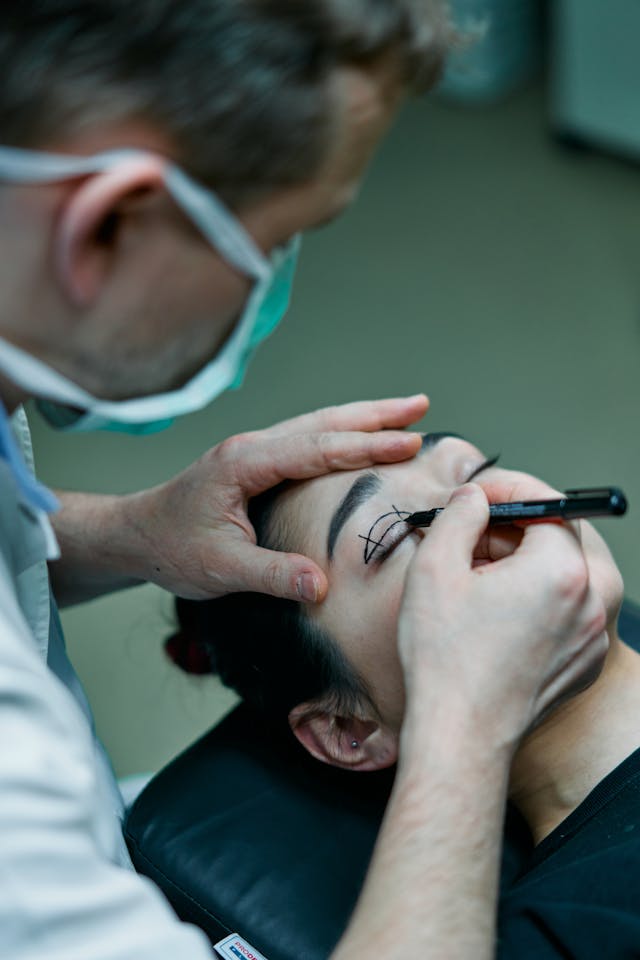
Once your goals are established, the surgeon will conduct a thorough examination of your nose and entire face.
They will assess:
- The shape and size of your nose
- Your skin thickness
- The structure of your cartilage and bone
- How your nose complements your chin, cheeks, and forehead
Rhinoplasty isn’t solely about making a nose smaller or straighter; it’s about achieving balance. Even a minor adjustment at the tip can significantly alter your overall appearance.
According to the American Society of Plastic Surgeons, rhinoplasty remains one of the most sought-after cosmetic procedures in the U.S., with over 45,000 procedures performed in 2022 alone. This demand has equipped surgeons to address a variety of nose shapes and concerns, but individualized treatment is essential.
3. Honest Discussion of What’s Achievable
This is where expectations start to take shape.
It’s common for patients to bring inspirational photos, which the surgeon will evaluate and discuss how those changes may or may not suit your unique features. What looks great on one person may not translate well for you.
Patients generally appreciate transparency in this aspect. If a particular change could compromise your natural look or affect your breathing, a reputable surgeon will let you know.
You may also learn about the distinction between subtle refinements and more dramatic alterations. Small tweaks can make a profound impact, and often, less is more.
This part of the consultation can be emotional, as you’re discussing changes to your face—something you view daily. It’s perfectly acceptable to ask questions and take your time.
4. A Comprehensive Overview of the Procedure and Recovery
Once you and the surgeon have a mutual understanding of your goals, it’s time to delve into the practical aspects.
You’ll likely discuss:
- Whether your procedure will be open or closed rhinoplasty
- Incision placements
- The type of anesthesia to be used
- The typical duration of surgery
- What the recovery looks like in the first week
Recovery is often a primary concern for many patients. Expect swelling and bruising around the eyes for the first week or two, with a splint typically worn for about a week. Swelling may take several months to fully diminish, particularly at the tip.
While many individuals return to work within one to two weeks, achieving final results may take up to a year as healing is gradual.
You should also be informed about potential risks, even if they are rare. Every surgical procedure carries some risks, and a thorough consultation will address these aspects without downplaying them.
5. Time to Inquire and Reflect
The consultation doesn’t conclude with signing a form; it finishes when you feel well-informed.
Be sure to bring your queries, writing them down if necessary. Common questions might include:
- How many rhinoplasty surgeries have you conducted?
- Can I see before-and-after images of patients with similar nasal structures?
- What if I am dissatisfied with the outcome?
- How do you handle complications?
This is also an opportunity to gauge how the interaction feels. Do you feel pressurized, or do you feel supported?
A successful consultation should leave you feeling clearer than when you arrived. You should comprehend the plan, the recovery process, and the prospective outcomes, as well as feel comfortable taking time to ponder your decision.
Some individuals schedule surgery immediately, while others may take weeks to deliberate. Both responses are completely normal.
Concluding Thoughts
A rhinoplasty consultation is less daunting than it may seem. It comprises a focused, personal conversation regarding your aspirations, your anatomy, and achievable results.
You will discuss, listen, review photos, and learn the timelines for healing, which necessitate patience. Ideally, you’ll leave with a grounded perspective on whether this step is right for you.
Add Your Comment Cancel reply