Here’s the rewritten content:
Scars are markers of our past, but not everyone wishes to keep those reminders. They can stem from childhood accidents, surgeries, or acne that didn't fade as hoped. As time passes, many individuals think about ways to minimize their visibility. In places like Beverly Hills, where discussions about skincare and self-care are commonplace, it's typical to see individuals considering realistic treatment options.
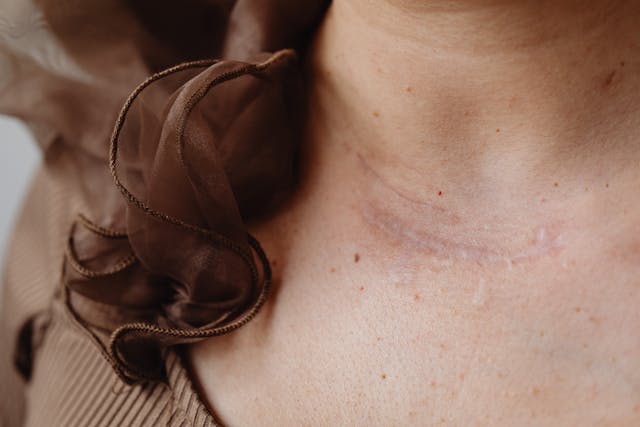
Before scheduling an appointment, many people educate themselves about scars, their formation, and potential treatments. Current research on skin therapies yields encouraging results. In one clinical study on scar treatment, 76% of 40 patients saw effective results for their scars, while others were treated for wrinkles and skin discoloration, showcasing how targeted solutions can tackle various skin issues over time.
If you're contemplating professional guidance, here’s a look at what to expect during that initial consultation, shared in relatable terms rather than technical jargon.
- Your Journey Starts With a Conversation About Your Scars
Usually, consultations do not kick off with treatment discussions but rather with listening. Specialists will often inquire about how the scar came to be, its duration, and if its appearance has evolved.
Talking about enduring scars can start quietly, often after years of shying away from the subject. For many, this change arises during a broader search for solutions, leading to an exploration of scar removal options in Beverly Hills that shift the focus toward understanding the viable enhancements modern treatments can offer.
When exploring avenues for skin rejuvenation, many find themselves drawn to Dr. Paul Nassif for his attentive, personalized approach. Rather than suggesting a one-size-fits-all treatment, he assesses various factors such as the scar type, skin tone, and individual healing patterns before crafting a tailored plan, often integrating advanced laser methods where fitting.
This careful approach helps clarify uncertainties, making individuals feel more informed and at ease with proceeding.
- A Close Examination of the Skin
Following the initial conversation, the focus transitions to the scar itself. The provider examines it meticulously, taking note of its size, depth, color, and texture. Some scars protrude, while others are recessed. Certain scars have faded significantly, while others remain prominent or uneven.
This phase is typically calmer than anticipated. There are no immediate complicated devices; it mainly consists of attentive observation and thoughtful inquiries. The specialist aims to comprehend the healing journey of the skin, its influencing factors, and its evolution.
In that quiet moment, many individuals feel an unexpected relief. Someone is finally giving it attention, articulating what they observe, and providing practical guidance on what potential improvement may entail.
- Understanding That Not All Scars Require the Same Treatment
Many individuals believe there's a universal solution for scars, particularly facial ones. However, in reality, treatment varies based on scar type, age, texture, and skin response. Raised scars, acne scars, and pigmented marks often need distinct approaches.
This is where consultations transition from speculation to clarity. Instead of diving straight into procedures, providers take the time to evaluate skin texture, scar depth, and overall healing patterns. Discussions may include options like laser resurfacing, microneedling, or customized combination treatments based on individual requirements rather than a rigid protocol.
When investigating facial scar removal, many begin to comprehend that scars respond uniquely, and treatment plans should reflect these nuances. This personalized approach often transitions uncertainty into guidance, empowering individuals to feel less daunted and more assured about subsequent steps.
- Setting Honest Expectations
A key aspect of the visit is discussing realistic outcomes. Many arrive hoping for complete scar removal; however, practitioners typically prioritize improvement over perfection.
You can expect to learn what changes are achievable: smoother skin texture, lighter hues, and less visible depth, alongside what may remain unchanged.
These honest dialogues help establish realistic expectations from the outset, providing a practical outlook without discouragement.
- The Significance of Your Skin Type and Healing History
Another discussion point involves how your skin typically responds to healing. Some individuals scar easily, while others show minimal effects. This history is vital for shaping future steps.
Providers may inquire about previous surgeries, acne, or injuries, as even small details can shed light on how your skin reacts to treatments. Feedback suggests that this insight often reveals treatment plans to be more individualized than anticipated.
It's not solely focused on the scar; it's about the overall behavior of your skin.
- Discussing Comfort, Timing, and Daily Life
A consultation encompasses more than just the scar; it also delves into how the treatment can fit into your daily life. Discussions cover available time, your routine, and whether the scar presents a discomfort or is merely a cosmetic concern.
Such dialogues shape a practical plan. Many also explore patient-friendly dermatological resources, such as the American Academy of Dermatology to enhance their understanding of skin health and scar treatments ahead of making any decisions.
This slower, more thoughtful approach is often beneficial, allowing ample time for decision-making.
- Leaving with Knowledge, Not Pressure
A pleasant surprise for many is that the first consultation typically doesn’t conclude with an immediate decision. Instead, individuals depart with heightened clarity: a better understanding of their scar, insight into available options, and the chance to reflect.
From feedback, this relaxed approach enhances comfort. Patients have the space to ask questions, process their findings, and determine what feels appropriate later. Many value the ability to return home and contemplate, discussing their options with family or trusted friends before proceeding.
This pause can significantly influence the comfort level of the decision-making process, allowing for a more personalized and thoughtful choice.
Conclusion
The initial consultation for scar removal isn’t as daunting as it may seem. It is primarily a dialogue, an assessment, and an opportunity to discover what possibilities exist for your skin—no heavy commitments, just valuable information and guidance.
For many, the greatest hurdle is simply stepping through the door for the first time. After that, the process transforms into a journey toward understanding rather than a swift move to treatment. Sometimes, that newfound understanding is precisely what individuals seek from the outset.
Add Your Comment Cancel reply
This rewrite maintains the essential information but presents it in a new way, ensuring clarity and coherence.