The advancement of technology is significantly transforming the e-bike sector, enhancing the efficiency, user-friendliness, and accessibility of these electric bicycles.
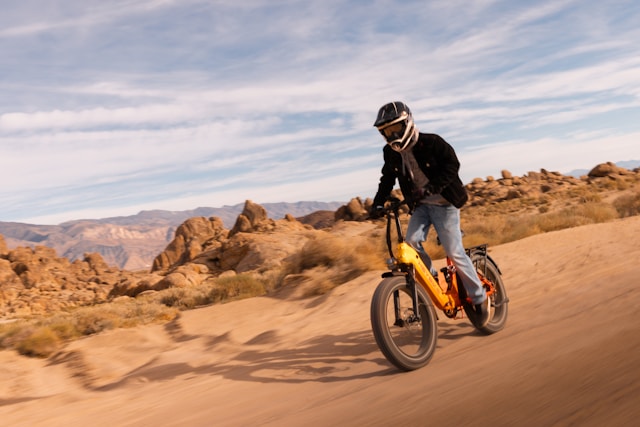
Innovative technology is redefining the e-bike market in many ways. Enhancements in motor and battery technology, along with the integration of smart features and connectivity, are significantly improving the overall riding experience.
This guide will examine six remarkable ways in which technology is advancing the e-bike industry.
- Smart Features and Connectivity
The incorporation of smart features and connectivity represents a significant shift in the e-bike sector. Modern e-bikes are often equipped with advanced tech that greatly enhances the riding experience. GPS tracking, for instance, allows riders to navigate effortlessly and monitor their journeys, while smartphone integration lets them control their bikes and monitor essential data via specialized apps. Bluetooth functionality further elevates connectivity, enabling synchronization with various devices for enhanced capabilities.
These smart features provide numerous advantages for e-bike riders. Navigation tools simplify the exploration of new paths, while security functionalities like GPS tracking aid in recovering a stolen bicycle. Smartphone integration delivers real-time insights on speed, distance, battery status, and more.
- Advanced Motor Technology
A major technological advancement in the e-bike sector is the innovation of more efficient and powerful motors. The discussion of mid-drive versus hub motors is crucial to understanding these developments. Mid-drive motors, situated at the bike’s crankset, offer advantages such as enhanced weight distribution, superior performance on inclines, and a more natural riding feel. They directly power the bike’s chain, improving efficiency and increasing torque.
Conversely, hub motors, found in the wheel hubs (front or rear), are prevalent in e-bikes due to their simplicity and affordability. They deliver direct power to the wheel, making them ideal for flat terrains and urban commuting. The choice between mid-drive and hub motors varies based on each rider’s preferences and requirements. As motor technology progresses, both types are becoming more efficient, quieter, and more dependable, resulting in enhanced performance and a smoother ride.
- Upgraded Battery Technology
Battery technology has seen significant progress, further reshaping the e-bike landscape. The latest e-bikes feature batteries that are more efficient, longer-lasting, and faster to charge. Lithium-ion batteries have become the standard due to their high energy density and resilience. The advent of new battery materials, like solid-state batteries, promises even more remarkable enhancements in the near future. These advancements result in lighter batteries with higher capacities, enabling riders to cover greater distances on a single charge.
The improvements in battery technology go beyond merely extending range. Faster charging times allow riders to quickly recharge and return to their routes without unnecessary delays, which is especially beneficial for daily commuters who rely on their e-bikes. Enhanced battery management systems are also making e-bikes safer by preventing problems such as overheating and overcharging. As battery technology evolves, e-bikes will become increasingly convenient and reliable for diverse users.
- Cutting-edge Materials and Lightweight Design
The adoption of advanced materials and lightweight designs is transforming the e-bike industry. Manufacturers are now utilizing materials like carbon fiber and premium aluminum alloys to produce e-bikes that are both robust and lightweight. Carbon fiber, in particular, is valued for its exceptional strength-to-weight ratio, making it ideal for e-bike constructions. This allows for the creation of strong yet lightweight bikes that enhance maneuverability and riding efficiency.
Lightweight designs improve overall performance and the user experience. E-bikes composed of these materials are easier to ride without assistance from the motor, and they also enhance battery efficiency because less energy is needed to propel a lighter bike. Furthermore, these materials provide better shock absorption and enhanced durability, boosting overall ride comfort and longevity. As technology continues to advance, we can anticipate even more innovative applications that will reduce weight and improve the structural integrity of e-bikes.
- Enhanced Safety Features
Safety remains a top priority for e-bike riders, and technological innovations are significantly enhancing safety features. Modern e-bikes often come with integrated lighting systems that improve visibility during nighttime or low-light conditions. High-performance LED lights are typically positioned at the front and back of the bike, ensuring that riders can see clearly and be seen. Some lighting systems are even connected to smart systems that adjust brightness based on surrounding light conditions.
Beyond lighting, advanced braking systems are becoming standard across many e-bikes. Features like hydraulic disc brakes offer superior stopping power and reliability compared to traditional mechanical options. Some e-bikes are also equipped with regenerative braking systems, which help to recharge the battery during deceleration, adding to overall efficiency. Additional safety features such as stability control and anti-lock braking systems (ABS) are being implemented to further enhance rider safety. These advancements contribute to a safer riding experience, instilling riders with greater confidence in various conditions.
- Customization and Personalization
Customization and personalization are quickly gaining traction in the e-bike sector, enabling riders to design their bikes according to their unique preferences and needs. Numerous manufacturers now provide various customizable options, from adjustable power settings and electric tandem bikes to ergonomic designs and aesthetic preferences like colors and finishes. Riders can choose components such as seats, handlebars, and pedals to maximize comfort and performance.
Personalization also extends to software options. Many e-bikes offer mobile app functionalities that allow riders to customize power output, pedal-assist levels, and riding modes. These applications can store multiple user profiles, making it convenient for different family members to share the same e-bike with settings tailored to their individual preferences.
Conclusion
From advanced motor and battery technologies to smart features integration and innovative materials, these advancements are making e-bikes more efficient, reliable, and user-friendly. Enhanced safety measures and the growing trend of customization further augment the appeal of e-bikes, providing riders with a tailored riding experience that prioritizes security. This exploration of six ways technology is reshaping the e-bike industry underscores the continuous evolution and exciting potential of electric bicycles.
Add Your Comment Cancel reply