Early health assessments provide children with a solid foundation. Addressing concerns at the onset allows for intervention before minor issues develop into larger challenges.
Parents, educational institutions, and healthcare providers all contribute to this process. By ensuring availability of essential resources, children can receive appropriate support that aligns with their developmental needs.
The Importance of Early Diagnostics
Children grow rapidly, leading to quick changes in their health. Early detection of issues allows for less complex and less invasive treatments.
When families receive timely information, it lessens their anxiety. This knowledge enables them to make informed decisions and monitor their child’s advancements.
Healthcare teams can act on findings immediately, resulting in shorter wait times, fewer complications, and increased time for schooling and recreational activities.
In 2024, approximately 14,910 children and adolescents in the U.S. were projected to receive a cancer diagnosis, with an estimated 1,590 fatalities, emphasizing the critical role of early detection in shaping treatment options and support systems.
From Newborn Screening to School-Age Assessments
Health screenings commence shortly after birth and continue throughout childhood. Tests for newborns, hearing assessments, and vision screenings are commonplace across various healthcare providers.
According to a U.S. oversight report, approximately 1 in 500 infants is diagnosed with deafness or hearing impairment, underscoring the significance of universal newborn hearing screenings on speech and learning development.
These examinations are designed to be swift and family-friendly, aiming to identify potential issues before they hinder development or readiness for school.
Families often inquire about the contents of routine screenings. Typical programs may include:
- Newborn blood tests and hearing evaluations
- Evaluations of growth, nutrition, and vision
- Assessments of oral health, mental well-being, and developmental milestones
Imaging and Lab Tests Tailored for Children
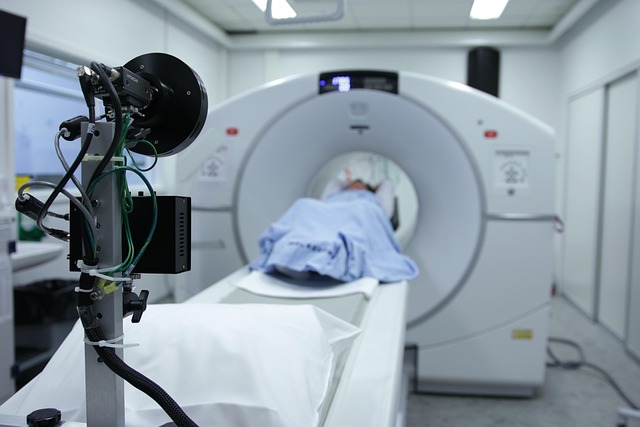
Some inquiries necessitate visual or laboratory data for clarity. Imaging studies, blood analyses, and urine tests can confirm or dismiss concerns effectively.
Families in the northern Gold Coast often seek nearby services, and many find that facilities like Qscan Imaging in Upper Coomera offer convenient options that minimize travel and time away from education or employment. Swift booking and child-friendly environments contribute to smoother experiences. When children feel secure, procedures are expedited, and results are more accurate.
Dedicated pediatric teams utilize age-appropriate language to explain procedures. Engaging terminology and simple steps help keep children calm during assessments.
Effective preparation is crucial. Brief guides, visual aids, and practice can alleviate anxiety and enhance the quality of imaging results.
Ensuring Access and Equity in Community Diagnostics
Access often influences health outcomes. When services are conveniently located and affordable, families are more likely to pursue them.
Flexibility in scheduling is essential for working families. Evening or weekend appointments can help reduce missed work shifts and consultations.
Transportation can pose challenges. Clinics that are accessible via public transit or within a short driving distance help decrease no-show rates and delays.
Culturally sensitive care is vital. Staff who actively listen, utilize interpreters, and respect family preferences are crucial in building trust and improving follow-through.
Early Cancer Detection Enhances Care Pathways
Identifying cancer early can significantly alter the trajectory of care. It may lead to less intensive treatment and diminished side effects.
According to global experts, survival rates exceed 80% for children with cancer in many high-income countries, while these rates fall below 30% in numerous low- and middle-income regions, highlighting how timely access to diagnosis and treatment influences outcomes.
Primary care and community imaging can help detect warning signs earlier, such as persistent fevers, unusual lumps, or unexplained fatigue.
When concerns are raised, clear referral pathways become essential. Coordinated transitions minimize the time from initial suspicion to specialist evaluation.
Collaborating with Families and Educational Institutions
Parents, guardians, and educators observe children daily, and their insights can reveal early signs that might not be captured through screening alone.
Simple tools can facilitate this process. Brief checklists and symptom diaries can help track patterns over time.
Effective communication is vital. Keeping clinics and schools updated fosters consistent support across home, classroom, and healthcare settings.
For busy families, quick and straightforward solutions can maintain momentum. Consider:
- One-page summaries of findings and subsequent steps
- Text reminders for follow-up appointments and vaccinations
- A shared directory for school documentation and care plans
Creating a Child-Friendly Testing Environment
Children are more cooperative when they understand what to expect. Brief previews and practice breathing can prepare them for imaging procedures.
Distractions can be effective. Storybooks, bubbles, or favorite songs can help children stay calm and still during assessments.
Comfort is crucial. Providing warm blankets, smaller needles, and numbing creams can help alleviate fear and discomfort.
Parental involvement is key. When parents are present and informed, children feel more secure, leading to smoother testing experiences.
Supporting children’s health is a collective effort. When families, schools, and healthcare providers work together, early diagnostics become a pathway to timely care.
Every small step counts. With access, communication, and child-centered practices, more children can receive timely answers and return to learning and playing.
Add Your Comment Cancel reply