Taking children to the mountains can be an incredibly rewarding way for families to reconnect with nature, step away from their busy routines, and forge lasting memories together. The crisp mountain air, stunning scenery, and thrill of adventure ignite the curiosity and excitement of kids across various ages.
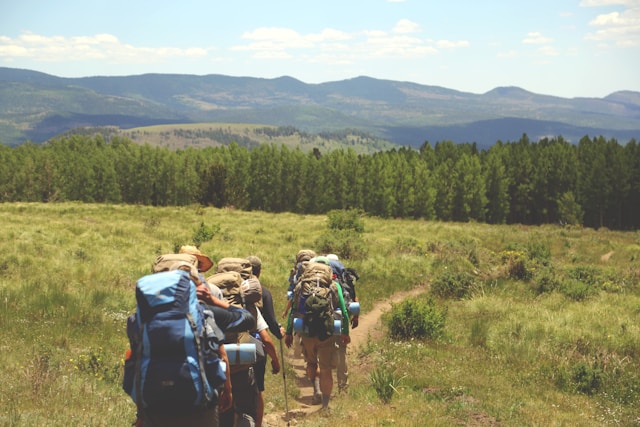
However, mountainous terrains can be unpredictable and physically demanding for young explorers. Factors such as changing weather, altitude, and challenging landscapes necessitate careful planning and preparation by parents.
The Unique Aspects of Family Mountain Travel
Bringing children to the mountains offers a fantastic chance for family bonding, adventure, and fresh air. However, mountain travel involves specific physical and environmental challenges that require thoughtful consideration.
Mountain conditions can be unpredictable, with swift changes in weather, thinner air at higher altitudes, and varied terrains that test both endurance and confidence. These conditions require respect from adults and necessitate a balanced approach that prioritizes safety, appropriate rest, and the unique needs of each child.
Selecting the Right Mountain Destination
When choosing a mountain destination, it’s crucial to consider the trail lengths and difficulty levels, how accessible nearby towns or emergency services are, and the trail surroundings such as forests, exposed ridges, or steep rocky areas. Avoid aiming for challenging summits like Mont Blanc unless your family possesses significant mountaineering experience. Opt for locations that yield rewarding views without unnecessary risks.
Consider your base of operations. Mountain towns that offer family-friendly accommodations, convenient trailheads, and guided nature programs will enhance your trip’s enjoyment and reduce stress. Look for destinations with well-marked paths that reassure both you and your children as you navigate the trails.
Evaluating Your Children’s Readiness
Each child is unique; what suits one child may not work for another. Before venturing into rough terrain, take an honest assessment of your children’s physical and emotional readiness by asking yourself:
- Have they gone hiking before?
- Can they manage several hours of walking with breaks?
- Are they comfortable on various trail surfaces?
- How do they react to discomfort, tiredness, or unexpected situations?
Some kids thrive on challenge and change, while others may become overwhelmed with uncertainty. Prior to your trip, take them on shorter, simpler hikes to build their stamina and confidence while familiarizing them with gear and setting expectations. Use these outings to gauge how they cope with elevation changes and longer walking durations.
Essential Packing for Comfort and Safety
Mountain trips demand more preparation than a simple day at the beach or city outing, particularly for children’s comfort and safety.
Start with versatile clothing to handle shifting weather patterns. Mountain conditions can change swiftly, so layers are essential. Include breathable base layers, warm mid-layers, waterproof jackets, hats, and gloves. Prioritize well-fitted footwear that is already broken in.
Other crucial items to pack include:
- Sunscreen and sunglasses (as UV exposure increases with elevation)
- Ample water and high-energy snacks
- A kids-specific first-aid kit
- Navigation aids (maps, compass, GPS)
- Headlamps or flashlights with spare batteries
For longer hikes, consider trekking poles for adults and older children for improved balance. For younger kids, carrier backpacks might be more practical than having them walk the entire distance.
Health, Altitude, and Emergency Preparedness
Mountain environments come with health risks not typically found at lower altitudes. One major concern is altitude sickness, which can affect both adults and children if elevation is gained too rapidly.
Symptoms include headache, nausea, fatigue, and dizziness. To mitigate this, start with gradual ascents and incorporate rest days to allow acclimatization. Be vigilant for any signs of distress and be ready to descend if symptoms arise.
Carry basic emergency communication tools, such as a fully charged mobile phone, a portable charger, or a personal locator beacon for remote areas. Familiarize yourself with the locations of the nearest ranger stations, medical facilities, and safe shelter points to act swiftly in case of an emergency.
Keeping It Fun for Kids
Engaging children and fostering excitement makes the journey enjoyable for everyone. Turn hikes into nature scavenger hunts by searching for animal tracks, identifying local plants, or collecting rocks with interesting textures and colors. Involve kids in simple navigation tasks, such as reading trail signs or using a compass.
Schedule regular breaks for snacks, hydration, and simply soaking in the scenery. Short, purposeful stops prevent fatigue while cultivating anticipation for the next segment of the trail. Celebrate achievements, no matter how small, and allow kids to set manageable goals.
Be mindful that children often have different energy levels than adults. Stay flexible—if a trail becomes too long or challenging, don’t hesitate to turn back and save a more difficult hike for another day. The objective is to create positive experiences, not endurance challenges.
When approached thoughtfully, taking children to the mountains can be one of the most fulfilling family experiences. The majestic backdrop of the mountains provides a unique opportunity for connection—both with nature and each other—and calls for a respectful acknowledgment of their challenges. Families can transform potential hurdles into meaningful learning experiences.
Add Your Comment Cancel reply