Planning should be a tranquil process, not one filled with stress. A few quick checks can save you from wasted time, missed events, or unnecessary detours. Use the tips below to verify the essentials before you head out, and you’ll establish a habit that benefits you every week.
The Importance of Verification Before You Depart
Inaccurate information can cost you both time and money. While many mistakes may seem minor—like a wrong door or an outdated schedule—they can accumulate quickly. A review by the FTC highlighted that millions of complaints were filed in 2024, indicating how frequently assumptions lead to errors.
Verify the Location – Address and Entrance Information
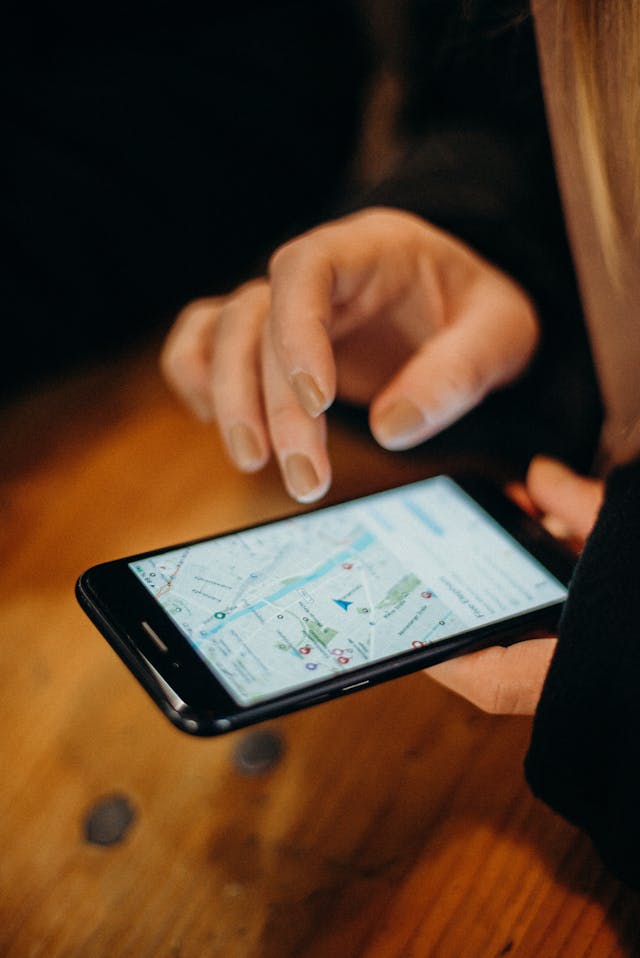
Begin with a precise street address and any specific instructions regarding entrances. If the destination is in a complex, pay attention to suite numbers, building letters, or floor levels. Drop a pin on your map and zoom in to verify which side of the street the entrance faces. This quick one-minute check can significantly reduce the risk of a wrong turn. For added assurance, you can find and confirm any address to ensure your map corresponds with the actual location. Store this verification in your notes for easy sharing if someone else is joining you.
For larger venues, use satellite imagery and street views to identify loading zones, guest entrances, and ramps. If the signs appear different in images compared to your map, don’t hesitate to contact the front desk for clarification.
Check Timing – Hours, Closures, and Ticketing
Verify operating hours on the official website, then cross-reference with business profiles and social media accounts. Be alert for holiday hours or seasonal changes. If tickets are necessary, verify the time window on the confirmation email and be aware of any early entry policies.
Be Aware of Temporary Changes
Pop-ups and renovations can shift entrances or alter schedules with little notice. If the update date appears absent or outdated, consider the information as unverified. A quick call or chat can prevent a lengthy drive.
Weather Can Alter Your Plans
Even straightforward plans can be affected by the weather. Check the forecast for the timeframe of your plan and the specific location you will be in. If driving, it’s important to check the route’s forecast rather than just the destination’s.
The National Weather Service provides travel maps indicating likely conditions along highway segments, which can help you anticipate wind, snow, or fog along your route. Allocate extra time if severe weather is expected. For outdoor events, reach out to the host regarding their contingency plans for rain.
Cross-Check Multiple Sources
Relying on a single source can lead to inaccurate information. A couple of quick checks will present a clearer picture. Make comparisons across official websites, map listings, and recent reviews.
- Look for a recent update date or post
- Ensure the same phone number is listed across each platform
- Match the hours on at least two listings
- Read the latest 3 to 5 reviews for insights on any changes
- Check timestamps of photos for new signs or entrances
If discrepancies arise, assume the most cautious details until you can confirm live. This could pertain to earlier closing times, ticket limits, or a changed entrance.
Communicate for Real-time Information
Front desks and event coordinators usually have the latest information regarding closures, private events, or last-minute changes. Keep your inquiries short and focused. Ask about today’s hours, which entrance to use, and any identification or payment requirements.
Sample Script
Say: Hi, I’m planning to arrive around 3 PM. Could you confirm today’s hours, the correct entrance, and whether parking is available on-site? This concise script will get you the three critical pieces of information that can often lead to confusion.
Travel Logistics – Transportation and Parking
Routes can change due to construction, events, or game days. Check your navigation app’s live alerts, and look for event advisories from the city or venue. If parking is part of your plan, verify the garage name, access street, and payment options.
- Have a backup route ready in case a ramp is closed
- Screenshot your parking reservation and QR code
- Note the height limit of the garage if you are driving an SUV
- Check if the lot is open overnight
- Add 10 minutes for time required for elevators or stairs
For public transit, confirm the stop name and direction. If the platform splits lines, ensure you are on the right side for your destination. Set an alarm to remind you to leave a few minutes before the arrival of the train or bus.
Tickets, Reservations, and On-site Rules
Review the fine print for entry windows and identification requirements. Some venues may necessitate the actual card used for purchase, even if a QR code is scanned at entry. If you’re bringing a bag, be sure to check the size limits and permitted items.
Helpful Backups
Forward your tickets to someone else traveling with you, or save them in a shared digital wallet. If service might be unreliable, store PDFs offline. If dining out, consider a backup restaurant that’s a short walk away in case the waitlist grows too long.
Set Yourself Up for Success – Notes, Screenshots, and Backups
Once you verify the essentials, capture that information in a convenient location. Include the exact address, entrance notes, suite or floor, and a nearby landmark in your calendar event. Add the phone number, booking reference, and the name of the parking garage along with its entry street. Drop a pin on the map, rename it with the location and date, and attach it to the same event for easy access.
Take screenshots of the route, hours, ticket information, and any social media posts with updates. If your device supports it, annotate the screenshot with arrows or brief labels, like “Use south door – elevator to 3rd floor.” Save PDFs of tickets or confirmations for offline access, renaming them with clear identifiers, such as “2026-02-10_museum_ticket.” Create a simple template for notes that you can reuse: Address, Hours, Contact, Parking, What to Bring, Backup Option. A quick voice memo can also help if there are complicated curbside instructions.
Conflicting details aren’t a failure; they are an indicator to pause and reconsider. If an address appears correct but photos don’t match, consider the label as outdated. If hours differ, assume the earliest closing time until verified. A small habit of confirming details helps transform a frantic rush into a smooth beginning, allowing you to enjoy your planned outing without the chaos.
Add Your Comment Cancel reply