Children experiencing delays in communication and social skills can greatly benefit from pediatric therapy. These essential skills enable children to understand and engage in relationships, which are crucial for their learning and development. Early professional intervention can make a significant difference. With the right support, children can express themselves and build connections with confidence.
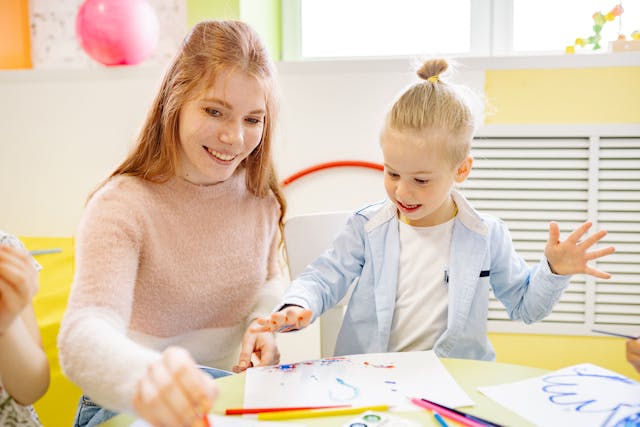
The Significance of Early Intervention
Children learn most effectively during their early years. Engaging in pediatric autism therapy in Florissant early on helps establish habits and reactions that are more likely to last through their formative years. It’s often easier to develop crucial skills when issues are addressed at a young age. Therapists assist children in trying new ways to interact, leading to better long-term social and communication outcomes.
Identifying Communication Challenges
Many children face difficulties with communication, whether it’s in expressing their thoughts or understanding others. These challenges may stem from developmental delays, speech disorders, or emotional fluctuations, making it hard for them to convey needs, feelings, or ideas independently. Therapy provides a structured environment for these children to improve. Variations exist within family dynamics regarding both verbal and non-verbal communication.
Therapeutic Techniques for Enhancing Communication
To enhance communication skills in children, therapists employ various engaging methods. Incorporating fun activities and play helps maintain children’s interest while they practice. Visual aids capture their attention and facilitate understanding of new concepts, while storytelling fosters vocabulary growth and comprehension.
Fostering Social Skills
Social skills extend beyond mere conversation. Children must learn to listen, share, and interpret social cues. Most play-based therapies involve group or partner activities, allowing children to experience cooperation, turn-taking, and conflict resolution. Role-play scenarios provide a safe space for children to rehearse social interactions, boosting their confidence in social settings.
The Role of Family in Therapy
Involving the family is often crucial for the success of pediatric autism therapy in Florissant. By supporting parents and caregivers in practicing skills at home, such as reading together or initiating greetings, significant progress can be made. Professionals guide families to reinforce these skills consistently, creating a nurturing environment that promotes continued growth for the child.
Holistic Benefits of Therapy
Therapy encompasses more than just verbal communication. Guided interactions instill important skills like problem-solving, patience, and empathy, which are beneficial in both school settings and personal relationships. Enhanced communication also diminishes misunderstandings, making it easier for peers to connect with children, creating a positive cycle of learning and development.
Navigating Challenges
Progress in therapy is not always linear; setbacks are a natural part of the journey. Therapists continuously adapt their strategies to meet the evolving needs of their clients. During challenging times, children require extra encouragement and patience, helping to reinforce the idea that progress is ongoing.
Collaborative Efforts with Educators
Therapists often collaborate with teachers and school staff. This shared knowledge provides children with a consistent experience across environments. Educators receive practical tools to support the children’s skill development in the classroom, and this cooperation allows for the identification of needs and tracking of progress, thereby creating a more secure support network for all children.
Conclusion
Pediatric therapy is invaluable for children facing challenges with communication and social skills. It emphasizes the importance of early intervention, family involvement for home-schooled children, and tailored strategies. Through guided practice, children gain confidence and independence, equipping them for a lifetime of meaningful connections and continuous learning.
Add Your Comment Cancel reply