Health trends come and go quickly on social media, but peptide therapy has persistently garnered attention for good reasons.
Your body naturally produces these small protein fragments that serve as messengers to your cells, guiding their functions. Peptide therapy enhances these natural processes, and now clinics everywhere are offering peptides as effective treatment options for health and recovery.
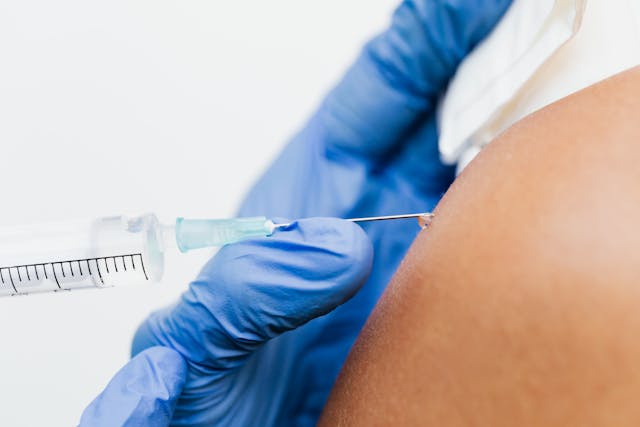
Photo by
Karolina Grabowska www.kaboompics.com
Understanding Peptide Functionality
Peptides act like text messages for your cells, consisting of short chains of amino acids—typically ranging from 2 to 50—that can easily penetrate cell membranes.
Your body generates thousands of peptides each day, each with specific instructions, such as signaling cells to release growth hormones, reducing inflammation, or regulating sleep cycles. The National Center for Biotechnology Information monitors how these substances influence bodily functions.
Thanks to scientific research, we now know which peptides serve which functions, and labs can create synthetic versions that mimic your body’s natural peptides, harnessing existing systems within your body.
Common Treatment Outcomes
Results from peptide therapy can greatly vary among individuals. While some may experience significant changes, others may notice more subtle improvements. However, certain benefits tend to emerge consistently.
Here are the most frequently reported outcomes:
- Increased energy throughout the day: Feeling sluggish in the afternoons becomes rare as certain peptides enhance cellular energy production.
- Faster recovery of muscles: Recovery times are noticeably reduced, avoiding that heavy-leg feeling post-workout.
- Improved skin appearance: Over time, fine lines may diminish as collagen production increases.
- Maintain weight more effectively: A boosted metabolism can help sustain muscle while shedding fat.
- Enhanced sleep quality: Many users report feeling refreshed upon waking due to more regulated sleep patterns.
The FDA oversees peptide medications to ensure safety. Remember, significant results require time—positive changes may unfold over weeks or months.
Who is Pursuing Peptide Therapy?
Athletes often use peptides to enhance performance, benefiting from quicker recovery between intense training sessions and minimizing injuries while building muscle.
Individuals over 40 experience naturally declining growth hormone levels, which can lead to decreased energy and muscle loss. Peptides may help counteract these changes.
People suffering from chronic fatigue sometimes explore peptide therapy as a remedy when traditional treatments fail to provide relief.
Busy parents seeking an energy boost also show interest, as the demands of caring for young children and balancing work can be overwhelming.
How to Begin Peptide Therapy
Most practitioners follow a standard process when initiating peptide therapy, which requires time but is straightforward.
A typical treatment procedure includes:
- Initial appointment: Discuss your health history and treatment goals. Providers will need a comprehensive understanding of your circumstances.
- Blood tests: These analyze hormone levels and other markers to determine which peptides may be beneficial.
- Personalized protocol: Your provider will select specific peptides and dosages while instructing you on safe administration methods.
- Injection schedule: Most peptides require subcutaneous injections, which you can learn to perform at home or receive at a clinic.
- Regular check-ins: Follow-up appointments will monitor your progress and adjust dosages as needed.
Treatment cycles typically last several months since your body needs time to respond. Initial improvements may appear in a matter of weeks, while more significant transformations take longer.
Side effects tend to be mild, with occasional redness at injection sites and mild headaches. Water retention occurs in some users, but severe issues are uncommon.
Incorporating Peptide Therapy into Your Lifestyle
Peptides aren’t a cure-all; maintaining a balanced diet and regular exercise is crucial. Expecting significant results without addressing these foundational aspects is unrealistic.
Ongoing research into peptides continues to emerge, expanding their applications. Qualified providers remain up-to-date with the latest findings and can provide realistic expectations.
It’s essential to consider the financial aspect, as insurance generally does not cover these therapies. Monthly expenses can range from a few hundred to several thousand dollars, so weighing the potential benefits against costs is vital.
Be sure to conduct thorough research before diving in. Consult with experts to determine if peptide therapy aligns with your health goals, or if alternative treatments might be a better fit.
Add Your Comment Cancel reply